Customer case · Hotels and restaurants
ESS Group
One setup, built once and rolled out to more than 3,000 people in six weeks.
- Departments in Todolo
- 120+
- Employees
- 3 000+
- Integrations
- Caspeco
- Customer since
- 2026

The challenge
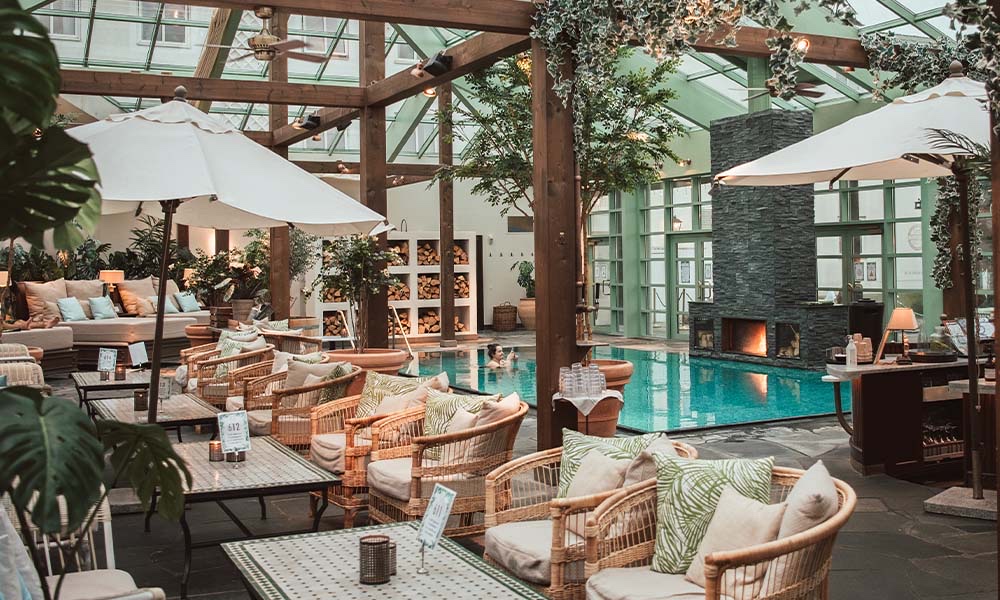
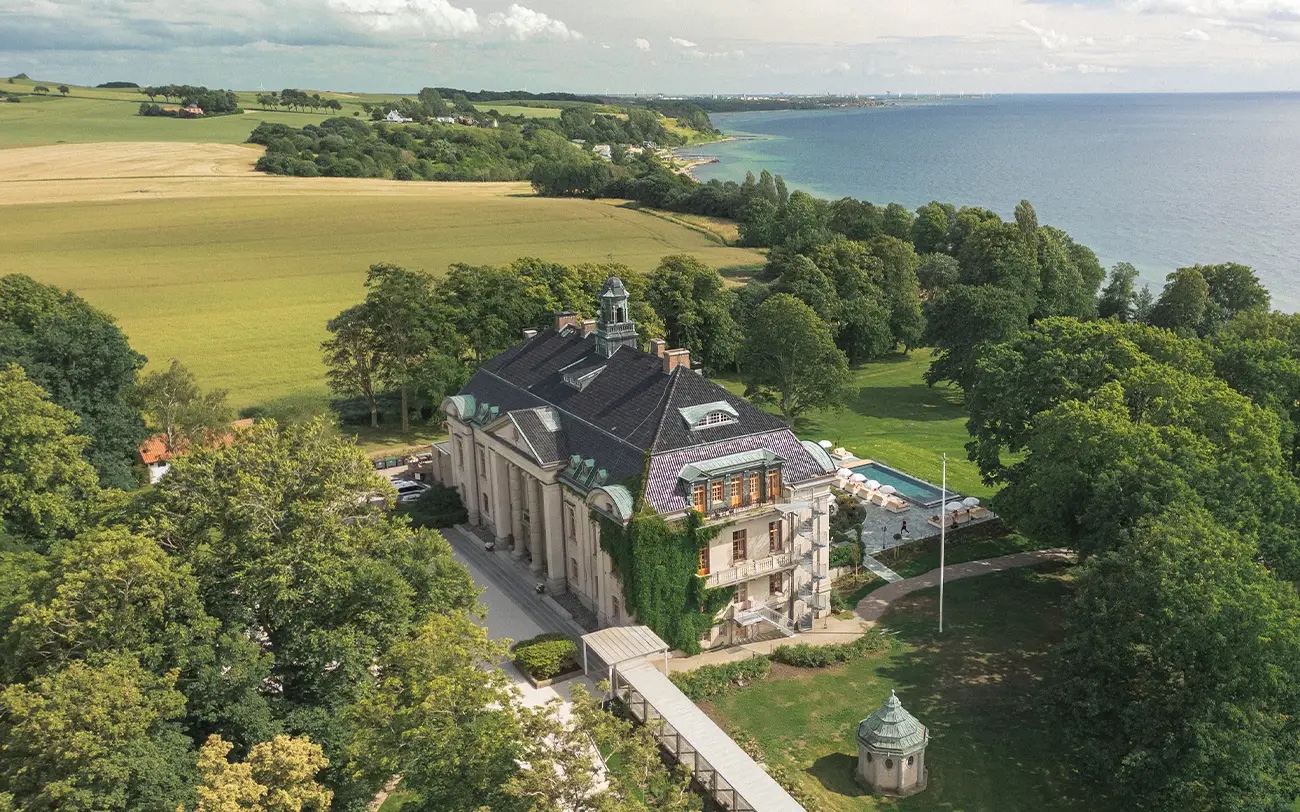
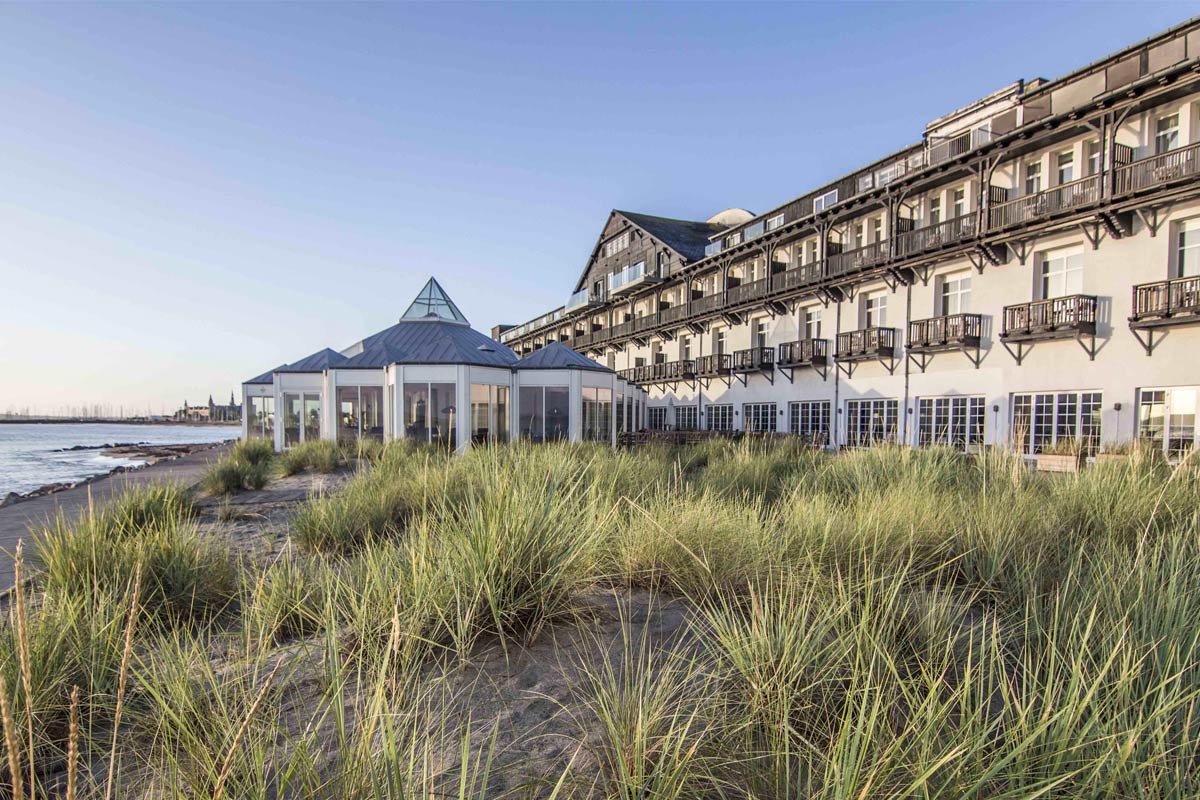
ESS Group builds destinations rather than a hotel chain. A 27-storey tower in Gothenburg, a hundred-year-old power station in Västerås, a mountain resort in Hemsedal, a beach hotel on the Öresund coast. Since it started at Ystad Saltsjöbad in 2007 it has grown to fifteen destinations across Sweden, Norway and Denmark, and the whole point is that they should feel different from one another.
Behind that difference sat four separate systems. One for this, another for that, and none of them aware of what the others held. More than 3,000 people working in five languages had to find their way around them, through seasonal peaks that swell the staffing and casual staff who work single days.
The workflows showed it most clearly. Around 450 of them had built up in the old system, for the simple reason that a flow could not work out where a request should go. Every combination of destination, role and request type needed its own variant. That is not order. It is a catalogue nobody can hold in their head.
“What has really made the difference for us with Todolo is that communication, information and the tools for the daily operation now sit in one and the same place.”
What they did
The work started with one setup rather than nineteen. Instead of configuring each destination on its own, the structure, the flows and the routines were built once and then rolled out across the group.
The structure mirrors the organisation instead of the systems. Each destination is a group, and the departments sit under it: reception, housekeeping, kitchen, restaurant, spa, conference. A restaurant manager sees their restaurant rather than the whole hotel, and a head of housekeeping sees their own department. 53 roles decide who sees what, which at this size is not a nicety but a precondition.
Handbooks and documents are the shared ground. Operations sits on top of them, meaning checklists and fault reporting, neither of which the group had in any system before. So this was not only a move: part of the daily operation became digital for the first time.
The channels set themselves up. Rather than someone creating and maintaining chat groups, they follow the structure of destination, department and role, and membership travels with the person. Someone moving from the kitchen in Ystad to a restaurant in Gothenburg lands in the right channels the same day, so a message reaches the people it concerns instead of everyone at once.
Training has two layers: one shared across the group, and one per destination for what only applies to that house. A new colleague at Steam Hotel gets the ESS foundation and Steam Hotel's own routines, without anyone keeping the two apart by hand.
Time is held together at two levels. The annual wheel carries what returns every year, such as season openings, holidays and conference periods, while the event calendar collects what is actually happening: induction days, training sessions, get-togethers. Someone at Fýri sees what applies in Hemsedal, not the calendar for the whole group.
Employee data comes across from Caspeco, so accounts, departments and permissions are set up without manual administration. In the other direction, employment details are written back, so scheduling and payroll work from the same record.
450 workflows became about thirty
The difference is not that there are fewer flows to look at. It is that the flows know where they are going.
A flow in Todolo reads who submitted it, meaning which destination, which department and which role, and sends the task to the right recipient on that basis. So one flow for “preboarding a new colleague” serves all 120+ departments, where the old system needed a variant per case.
Preboarding shows how much one flow can carry. A manager expecting a new colleague orders everything they need in one go: contract, system logins, uniform to policy, key tags and a locker key, a place on the induction day, an alcohol licence where the job requires one. Each order travels on to the department that fulfils it, without the manager needing to know who that is.
The same logic runs through the rest. Operations covers fault reporting, goods receipt, incident reporting and a channel for safety observations. Forms cover leave, holiday, entertaining and key receipts. Norway has its own flows for self-certified absence, preboarding and vehicle registration. Changing role or destination has its own flow, as does taking on extra responsibility during a long absence. Offboarding closes the loop, including single-day offboarding for casual staff who cover an event and should not still be in the system the morning after.
So a manager is not hunting for the right flow among hundreds. There is one, and it finds the right person by itself.
In everyone's language, with TOD answering in it
More than 3,000 people in hotels and restaurants do not share one language. In a kitchen, a housekeeping department or a conference team, Swedish is rarely everyone's first language, and in a group with houses in Sweden, Norway and Denmark that holds between the destinations too.
The setup runs in five languages, and that means the content rather than the menus in the app. Routines, handbooks, posts and training material reach people in the language they read. What matters most is that it works the other way as well: anyone can write in their own language and be read by someone reading in another. A head of housekeeping does not have to compose a report in a second language.
That removes a whole category of misunderstanding, and a whole category of silence, where something goes unsaid because saying it in the right language was too much trouble.
What makes it hold in practice is TOD. The assistant is trained on the material ESS already has, the handbooks, routines and documents that apply to the group and to the individual house, and it answers in the language the question was asked in. Someone in housekeeping at Marienlyst writes the question the way they would put it to a colleague, and gets the answer out of ESS's own material, in their own language, mid-shift.
It is also what makes 120+ departments workable. The more houses, roles and languages there are, the less reasonable it is to expect everyone to know where the answer is written, and the more it matters that asking is enough.
A day in the app
The app opens on what someone needs for their shift. The routines and the documents come first, not a news feed.
The day's information reaches the people it concerns. The channels in the app are that person's own, meaning their department, their destination and their role rather than the whole group, so a post about tonight's conference goes to the people working it and to nobody else.
Training sits in the same app. A new colleague works through their material at their own pace, both the shared foundation and the house's own routines, and questions about how something is done go to TOD, which answers out of ESS's own material in the language they asked in.
Routines are signed off where they happen, on a phone, and broken equipment is reported on the spot and travels on as a case to whoever fixes it. The feedback box takes what someone wants to say without it going through their manager.
What changed
The setup went live in March 2026 and was rolled out to more than 3,000 people and 120+ departments in six weeks. It took six weeks rather than six months because the work was done once. Destination number nineteen needed no configuration of its own, only its own group.
Four systems became one. Around 450 workflows became about thirty, not by taking anything away but because the flows started working out where to go. And the daily operation, meaning checklists and fault reporting, is now digital for the first time, in the same app as everything else.
Someone moving between destinations takes their account, their training and their history with them instead of starting again, and lands in the right channels and the right destination training at the new house. A routine updated centrally applies from that moment in every department, in five languages. And nobody enters the same person twice.
“The best part is that we have not had to fit our business around a system. Together we have been able to build features from how we actually work and what our destinations need.
That gives our managers and our people an easier working day, and more time for the thing we like most of all: our guests.”